Kylian Mbappé joins Swiss sportswear brand On in strategic move to disrupt the global football market

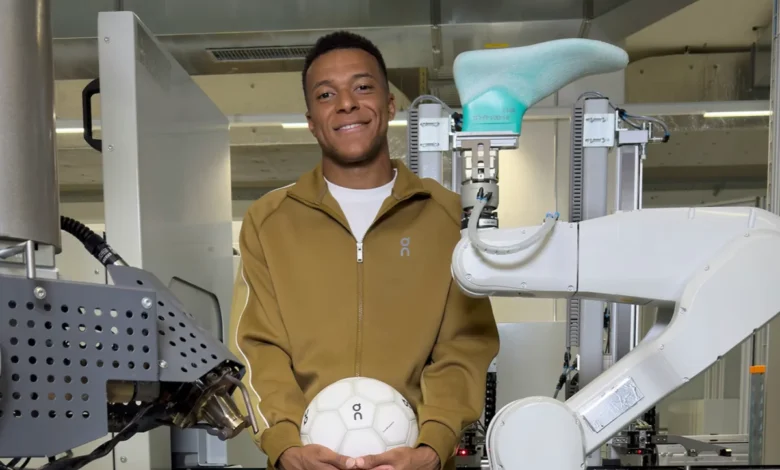
The landscape of professional football’s multi-billion-dollar sponsorship industry underwent a seismic shift this week as Swiss performance sportswear manufacturer On officially announced a long-term partnership with French football icon Kylian Mbappé. This collaboration marks On’s inaugural entry into the highly competitive football market, a sector currently dominated by industry titans Nike, Adidas, and Puma. The deal, which includes both cash and equity components, concludes a historic, decade-long relationship between Mbappé and Nike, a partnership that had defined the player’s aesthetic and commercial identity since he was a child of nine.
A New Chapter in Athletic Innovation
The partnership transcends the traditional role of a brand ambassador. Mbappé is slated to work directly with On’s product development and engineering teams, providing technical insights derived from his tenure at the highest levels of European club football and international competition. This hands-on involvement is a cornerstone of the brand’s strategy, mirroring its successful collaborations with high-profile athletes such as tennis legend Roger Federer, who famously transitioned from a Nike-sponsored athlete to an investor and strategic partner at On in 2019.
On, which established its market reputation through revolutionary running footwear, is now aiming to apply its proprietary "LightSpray" technology to the demands of the pitch. LightSpray is a highly specialized robotic manufacturing process that constructs a performance upper from a continuous filament, significantly reducing weight and waste while increasing precision. By integrating this technology with traditional Swiss engineering, On intends to launch its first dedicated line of football boots in 2027.
The Chronology of an Industry Pivot
The entry of On into football is the culmination of a deliberate, multi-year strategy to diversify its athletic portfolio beyond track and field.
- 2010s: On solidifies its reputation as a dominant force in the high-performance running category, characterized by its signature "CloudTec" cushioning system.
- 2019: The brand gains significant market traction and institutional credibility by securing Roger Federer as an investor and creative collaborator.
- 2025: On quietly lays the groundwork for its football division by recruiting French football legend Thierry Henry to serve as Director of Football. This hire signaled to the industry that the brand was moving beyond speculation and toward tangible product development.
- Mid-2026: Reports emerge regarding the intensifying competition between established footwear brands for dominance in global tournament cycles, highlighting a market ripe for disruption.
- 2027: The projected launch window for the brand’s first football-specific footwear, incorporating insights from Mbappé and the technical expertise of the internal team.
Strategic Leadership and Vision
David Allemann, co-founder and CEO of On, articulated a vision that emphasizes technical minimalism. "We enter football with deep respect for its rich heritage," Allemann stated during the official press briefing. "We aren’t here to change why people love football; we’re here to celebrate it—and bring it back to the future and its essence: the player, the ball, and as little in between as possible."
Allemann’s comments suggest that On’s strategy is rooted in the "less is more" philosophy that has defined their running success. By utilizing the expertise of Thierry Henry, who has been instrumental in the brand’s behind-the-scenes development for over a year, On is positioning itself as a premium, technology-first challenger. The addition of rising Swiss star Sydney Schertenleib to the roster further demonstrates the brand’s commitment to a holistic approach that spans both established global superstars and emerging talent.
For his part, Kylian Mbappé expressed that the decision to leave Nike was driven by a desire for deeper creative influence. "From the beginning, what drew me to On was the opportunity to build something entirely new together," the France captain noted. The shift in his sponsorship portfolio suggests that elite athletes are increasingly seeking equity-based models that allow for ownership in the products they promote, rather than traditional retainer-based endorsements.
Market Dynamics and Competitive Implications
The football footwear market is notoriously difficult to penetrate. According to recent retail data, Nike and Adidas command the vast majority of market share, supported by decades of infrastructure, massive distribution networks, and deep-seated relationships with professional clubs and governing bodies.
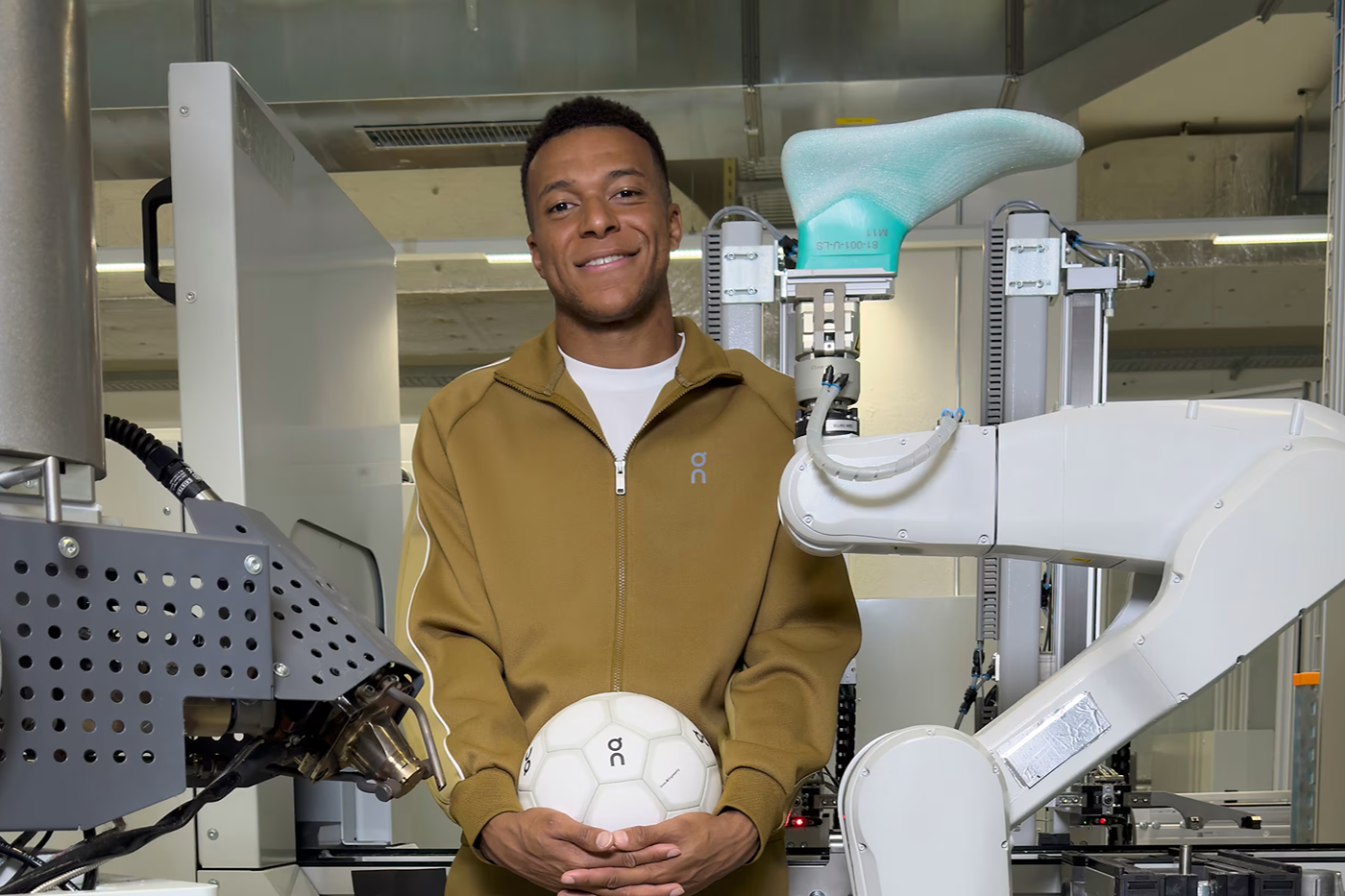
However, the sports apparel sector is currently experiencing a period of volatility. As noted in recent industry reporting, Adidas has recently regained significant ground against Nike in global retail battles surrounding major international tournaments. In this environment, a nimble, high-tech newcomer like On—armed with the star power of Mbappé and the technical credibility of Thierry Henry—could successfully target the "performance-premium" segment of the market.
Analysts note that On’s move is consistent with a broader trend in the industry where specialized performance brands challenge legacy players by focusing on specific, high-tech differentiators. If the LightSpray technology proves effective in the high-impact, multi-directional environment of a football pitch, it could disrupt the product design cycle of the entire industry.
The Role of Technology in Future Football
The reliance on LightSpray technology is not merely a marketing angle but a core component of On’s competitive strategy. By automating the creation of the footwear upper, On aims to achieve a level of precision that traditional, labor-intensive stitching methods cannot replicate. The promise of a lightweight, perfectly fitted boot is the "holy grail" of football equipment, as players demand gear that minimizes weight while maximizing touch and control.
The development process will be iterative. Mbappé’s role will involve extensive testing of these prototypes, ensuring that the final 2027 product meets the physiological demands of a professional athlete who relies on explosive acceleration and rapid changes in direction.
Broader Impact on the Sponsorship Economy
The termination of the Nike-Mbappé relationship serves as a stark reminder of the shifting power dynamics between athletes and global brands. For years, Nike held an ironclad grip on many of the world’s top players. However, as athletes have become global media platforms in their own right, they are increasingly leveraging their brands to demand equity and structural roles in product design.
Industry observers suggest that this deal may set a precedent for future negotiations. When an athlete of Mbappé’s caliber—arguably one of the three most influential footballers on the planet—moves to a smaller, "challenger" brand, it forces legacy companies to re-evaluate their own athlete management strategies. It shifts the narrative from "being sponsored by a brand" to "collaborating with a partner."
Conclusion and Future Outlook
As On prepares for its formal entry into the global football market, the eyes of the industry remain fixed on its upcoming product launches. The company has successfully navigated the high-stakes world of competitive running and tennis, but football represents a significantly larger, more complex, and more crowded ecosystem.
With a team that includes a tactical mastermind like Thierry Henry, a technical innovation like LightSpray, and the unparalleled commercial and athletic influence of Kylian Mbappé, On has assembled a formidable foundation. While the commercial success of this venture will ultimately be determined by the performance of the footwear on the pitch in 2027, the initial market reaction confirms that the Swiss brand is no longer content to exist on the periphery of the world’s most popular sport. It is now positioned to compete directly at the pinnacle of the game, setting the stage for what promises to be one of the most intriguing corporate battles in the history of sports marketing.